Introduction to Mikhail Tal
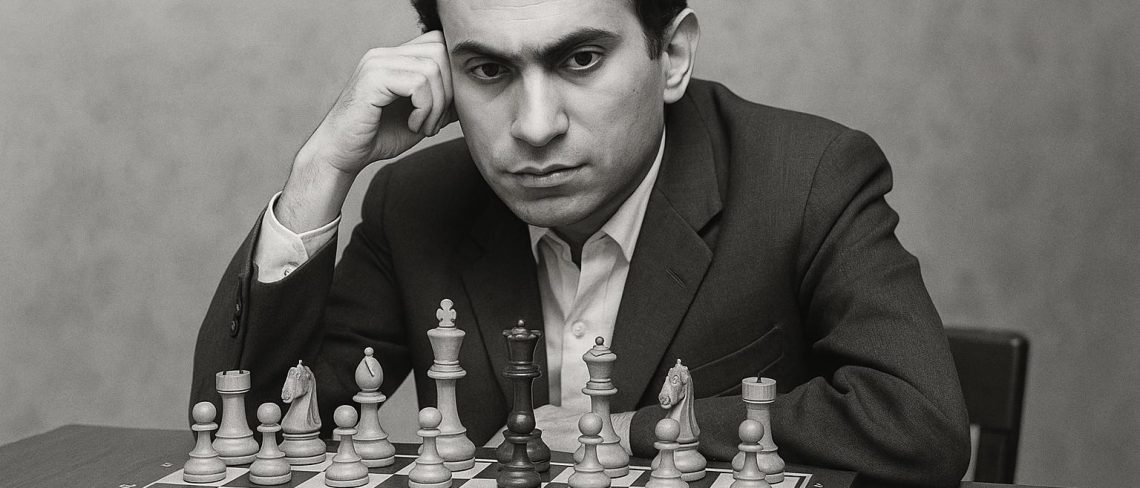
Mikhail Tal was a prominent figure in the world of chess, known for his bold and imaginative playstyle. Born on November 9, 1936, in Riga, Latvia, he gained a reputation as one of the most innovative and aggressive chess players in history. Often referred to as the “Magician of Riga,” Tal’s approach to chess was characterized by daring sacrifices and complex combinations that confounded his opponents.
Early Life and Chess Beginnings
Mikhail Tal’s introduction to chess began at a young age. By the age of 12, he was regularly participating in local competitions. His talent quickly became apparent, and he began to rise through the ranks of the chess world. In 1953, he won the Latvian Championship, showing signs of the brilliance that would later define his career.
Tal’s early years were shaped by his environment. Growing up in Riga, he was immersed in a community passionate about chess, which greatly influenced his development as a player. The local chess clubs became his training ground, where he honed his skills and developed his aggressive playstyle. His early experiences laid the foundation for his future success, as he regularly competed against older and more experienced players, learning to navigate the complexities of the game from them.
World Chess Champion
Tal’s meteoric rise in the chess world culminated in 1960 when, at the age of 23, he won the World Chess Championship. He defeated the reigning champion, Mikhail Botvinnik, becoming the youngest world champion at that time. This victory was more than just a personal triumph; it marked a shift in chess’s competitive landscape. Tal’s aggressive and unconventional tactics brought a new energy to competitions, challenging the strategic norms of his time and captivating fans worldwide.
The Magician’s Playstyle
Mikhail Tal’s playstyle was marked by tactical complexity and daring sacrifices. His games often involved intricate attacking combinations, making them both unpredictable and exciting to watch. Tal’s approach focused on creating complications, often putting pressure on his opponents to navigate through complex positions. This strategy frequently led to unexpected victories, earning him the nickname “The Magician of Riga.”
One of the key aspects of his playstyle was his willingness to take risks. Tal viewed each game as a new canvas, ready to explore uncharted tactical territories. He was known for launching surprising attacks and employing unconventional openings, which often caught his opponents off guard. By challenging the typical methodologies and strategies, Tal pushed the boundaries of chess, encouraging other players to creative heights.
Health Challenges and Dedication
Despite his success, Tal faced significant health challenges throughout his career. He struggled with kidney issues, which affected his performance at times. However, his dedication to the game never wavered. Even when faced with physical difficulties, Tal continued to compete at the highest levels, showcasing his resilience and passion for chess.
Tal’s health problems added an extra layer of complexity to his career. Chronic health conditions forced him to navigate the chess circuit with caution, balancing his need for treatment with the demands of competitive play. Nonetheless, Tal’s perseverance and love for chess drove him to overcome these obstacles repeatedly, reflecting a commitment to the game that inspired many of his peers. He demonstrated that passion and dedication could transcend physical limitations, securing his place among the chess legends despite the challenges he faced.
Legacy and Influence
Mikhail Tal’s influence on chess extends beyond his achievements on the board. He inspired a generation of players with his bold style and willingness to take risks. His games are still studied for their creativity and tactical brilliance, and he remains an iconic figure in the chess world. Tal’s contributions to the game have left an enduring legacy, influencing contemporary and future chess masters.
Modern players often revisit Tal’s matches, exploring them for insights and inspiration. His imaginative strategies serve as guiding examples of out-of-the-box thinking, continually reminding upcoming players of the importance of creativity in chess. Tal’s influence is also evident in literature, coaching, and training resources, shaping the narrative of how chess is taught and understood.
Conclusion
Mikhail Tal’s impact on the chess world is undeniable. Known for his audacious and imaginative gameplay, he brought a sense of magic to the chessboard. Whether through his daring sacrifices or his intricate combinations, Tal’s legacy as the “Magician of Riga” continues to inspire and captivate chess enthusiasts worldwide. As chess evolves and grows, Tal’s contributions remain a benchmark of excellence and innovation. His life and career serve as a testament to the enduring power of creativity and courage in the face of challenges, inspiring countless players to pursue their chess dreams with passion and determination.