The Early Impact of Garry Kasparov
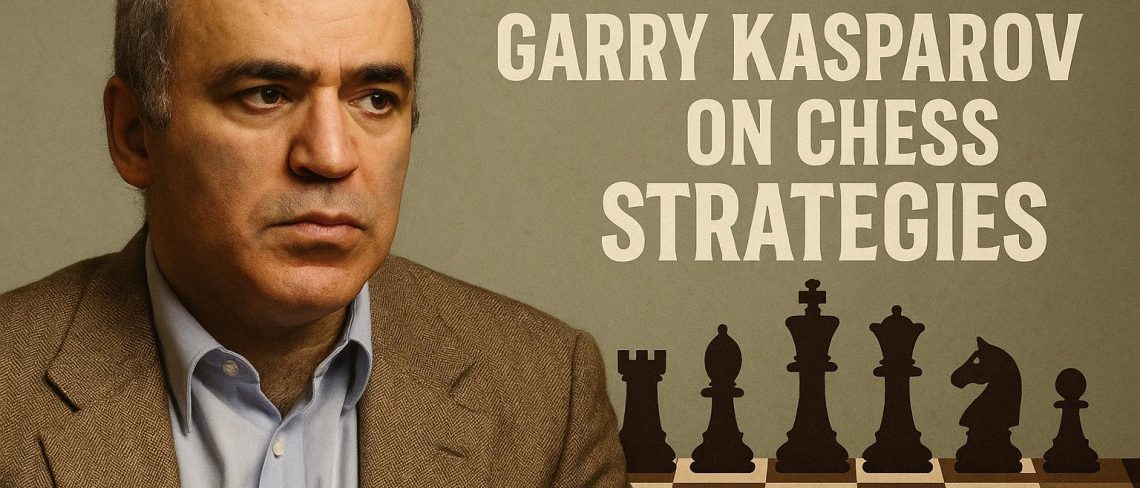
Garry Kasparov, a renowned grandmaster from Russia, firmly established himself as one of the most dominant figures ever to grace the game of chess. Rising to prominence in the 1980s, Kasparov began to influence chess strategy significantly while competing at the highest levels. His approach was marked by rigorous theoretical preparation and a readiness to engage in intricate, tactical battles with his opponents. His games frequently exhibited a unique blend of sharp tactical maneuvers coupled with profound strategic planning, characteristics that not only secured his victories but also contributed to the enrichment of chess as a discipline.
Strategic Innovations
One of the cornerstone aspects of Kasparov’s impact on chess is his introduction of innovative strategies that altered traditional thought and practice in the game. His opening repertoire, notably, represented a significant portion of his strategic impact. Kasparov was renowned for revitalizing classical openings and bringing forward deep novelties that thrust his opponents into unfamiliar positions. In particular, his employment of the Sicilian Defense and the King’s Indian Defense had a profound influence on the chess world. By breathing new life into these openings, Kasparov encouraged a generation of players to adopt aggressive and dynamic strategies.
The Influence on Opening Theory
Kasparov’s influence is markedly evident in the realm of opening theory. His erudition in opening theory allowed him to repeatedly secure a competitive advantage over his contemporaries. Among his significant contributions was his work in modernizing and popularizing variations of the Sicilian Defense, notably the Najdorf and Dragon variations. Kasparov’s talent for unearthing innovative concepts within these well-explored avenues stood as a testament to his deep understanding and thorough preparation. Even today, many of these ideas remain integral to the repertoire of top players, clearly illustrating Kasparov’s enduring impact on the evolution of opening theory.
Middle Game Tactics
Kasparov’s prowess extended beyond opening strategies into the complexities of the middle game. He excelled at creating imbalances and cultivating conditions ripe for tactical play. His games serve as rich resources of tactical motifs, which modern players study avidly to hone their skills. Kasparov’s ability to navigate and manage complicated positions with remarkable precision underscored his calculative sharpness and strategic intelligence. Through the study of his games, players gather insights into creating winning opportunities from seemingly balanced positions.
Endgame Mastery
While Kasparov was renowned for his aggressive style, his skills were also evident in the endgame, where his abilities showcased a high degree of control and understanding of positional subtleties. His talent in turning slight advantages into decisive victories highlighted his formidable endgame mastery. By combining strategic patience with tactical exploitation, Kasparov crafted a robust overall game that posed a serious challenge to his opponents. His endgames were instructive, offering valuable lessons to players focused on extracting the maximum potential from endgame scenarios.
Technological Pioneering in Chess
Beyond the chessboard, Kasparov was a pioneer in understanding the expanding role of technology in chess. His historic encounters with computing machines, notably the celebrated matches against Deep Blue, marked a pivotal moment in the intersection between chess and technology. These encounters drew global attention to the burgeoning potential of artificial intelligence within the competitive framework of chess. Kasparov’s insights and experiences during these matches have indelibly influenced the development and application of chess engines, including the programs and databases widely used by players and theorists today.
Legacy and Continued Influence
The legacy of Garry Kasparov’s contributions to the field of chess remains vibrant long after his retirement from professional play. His games are extensively analyzed and provide an invaluable resource for players across all levels of proficiency. Both emerging prodigies and experienced grandmasters delve into Kasparov’s games to refine and enhance their own abilities, integrating lessons learned from his strategies into their practice. Moreover, Kasparov persists in sharing his insights into the game through his books and various online platforms, offering the chess community a wealth of knowledge garnered from his extensive experience and deep understanding of chess dynamics.
In conclusion, Garry Kasparov’s contributions to chess extend beyond his numerous achievements as a world champion. His profound strategic innovations, pioneering engagement with technology, and ongoing educational contributions have left an indelible mark on the strategic elements of chess and its dynamic evolution in the contemporary era. Through his efforts, Kasparov has enriched both the understanding and execution of chess strategies, ensuring that his influence will continue to be felt within the game for generations to come.