Introduction
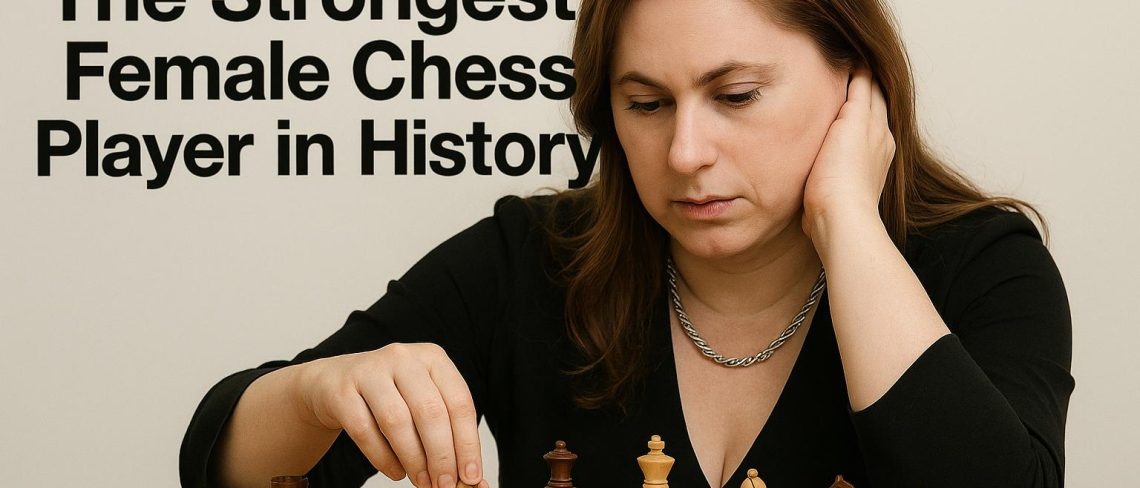
Judit Polgar stands as a phenomenal figure in the realm of chess, earning a formidable reputation as the strongest female chess player in history. Her unparalleled achievements, especially in a field dominated by males, highlight her as a trailblazer in the world of chess.
Early Life and Introduction to Chess
Born on July 23, 1976, in Budapest, Hungary, Judit Polgar’s journey into chess began during her early years. Alongside her two sisters, Susan and Sofia, she was introduced to the game as part of an educational experiment orchestrated by their father, Laszlo Polgar. He firmly believed that with intensive and focused training from a young age, children could attain greatness in any domain. This radical approach proved successful, as all three sisters emerged as significant figures in the chess community.
The upbringing the Polgar sisters received was unique. Laszlo’s experimental educational ideology was not just about intensive training but also about fostering an environment that was highly conducive to learning and growth. He maintained an environment rich in chess literature and encouraged critical thinking and problem-solving from an early stage. This methodology supported the sisters in honing their skills extensively before entering the competitive chess landscape. Unlike typical educational paths, the Polgar sisters’ curriculum was heavily focused on chess, allowing them to spend much of their day analyzing chess problems, practicing games, and learning from defeats. This early and intense immersion undeniably laid the groundwork for their subsequent achievements.
Breaking New Grounds
The early signs of Judit Polgar’s prodigious talent became visible when she started winning games against adult players while still a child. Her most significant breakthrough came in 1991 when she earned the title of Grandmaster at the tender age of 15 years and 4 months. This feat broke the age record set by the legendary chess champion Bobby Fischer, demonstrating her exceptional capabilities and persistence.
Polgar’s journey to becoming a Grandmaster was not merely about personal achievement; it also symbolized a broader message about capability and gender equality in chess. Traditionally, chess was perceived as a male-dominated sport, but Judit’s success challenged this notion. Her accomplishment sent waves through the chess community and inspired numerous young girls and women worldwide, encouraging them to pursue chess competitively.
Dominance in the Chess World
Judit Polgar’s journey through the echelons of chess has been marked by consistent performance and victories against leading male players. Her strategic finesse and sharp analytical acumen paved the way for triumphs over some of the highly-rated competitors in the chess world. The magnitude of her victories has been pivotal in not just shifting perceptions about gender roles in chess but also in proving that talent transcends gender boundaries.
Her matches have been highly analyzed, and the approach she adopted in many high-stakes games demonstrated a deep understanding of chess intricacies. Her playing style, noted for its aggression and creativity, brought a new dimension to the concept of strategic play. Rather than adhering strictly to classical theories, Polgar often embraced dynamic and sometimes risky positions, outwitting her opponents with surprising tactics. Her success across various chess tournaments and against top-ranked players further cemented her legacy as a formidable force on the chessboard.
Contribution to Chess Theory and Tactics
Apart from her competitive accolades, Judit Polgar has made marked contributions to chess theory and tactics, enriching the strategic knowledge available to both amateurs and professionals. Her aggressive tactics and novel strategies continue to be a source of study and inspiration for players around the globe.
Judit has also contributed to the literary and educational spheres of chess. She has authored numerous books which serve as a resource for understanding innovative approaches to the game and offer insights into the mindset required to succeed at a high level. In addition, she has been involved in developing educational programs that aim to foster a deeper appreciation for the game among newcomers, as well as refine the skills of seasoned players. Her work emphasizes not only improving technical abilities but also promoting the idea of chess as a tool for enhancing cognitive skills like memory, analysis, and concentration.
Legacy and Inspiration
Despite retiring from competitive chess in 2014, Judit Polgar’s influence in the chess community remains significant. She has embraced her post-competitive career as a platform to advocate for chess as a potent educational tool, inspiring future generations of players to explore the game.
Judit actively participates in various initiatives that aim to popularize chess, making it more accessible and appealing to people from diverse backgrounds. Her engagements within the community involve speeches, workshops, and chess tournaments that encourage participation regardless of age or gender. These efforts contribute to a broader movement toward making chess an inclusive field and are an extension of her lifelong commitment to breaking down barriers and promoting gender equality.
Conclusion
The legacy of Judit Polgar as the preeminent female chess player is etched not only in her winning catalog and titles but also in her role as a disruptor of gender stereotypes within competitive chess. Her narrative is one of resilience, skill, and an unwavering commitment to excellence, distinguishing her as an icon in the realms of chess. Through her work, Judit continues to inspire, setting a benchmark for future players and advocating for a game that’s just as strategic as it is reflective of life’s broader challenges.