Introduction
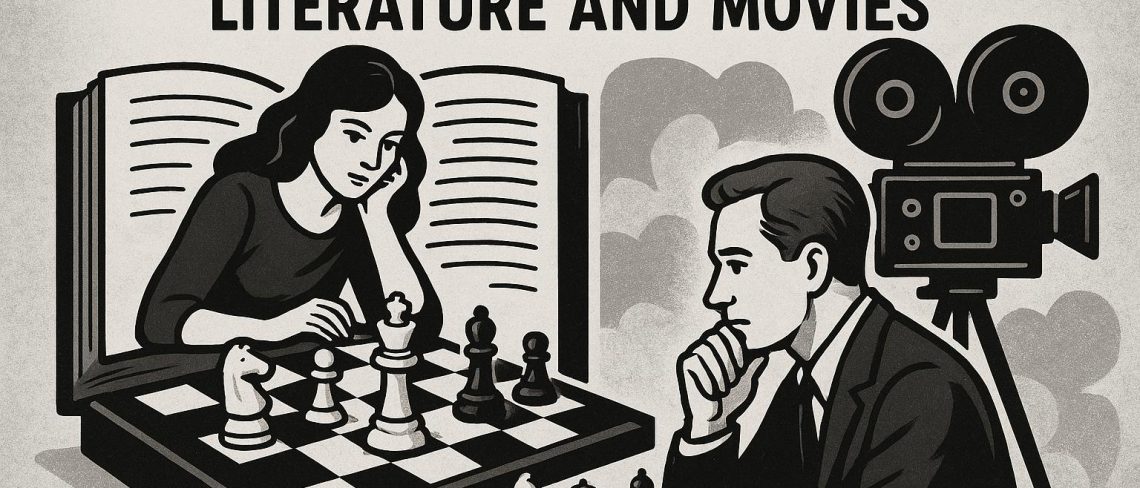
The representation of chess in literature and film has been a compelling theme for artists, writers, and filmmakers over the years. The game’s complexity and strategic depth make it a compelling metaphor for various human experiences and conflicts. Both literature and movies have explored the intricacies of chess, often using it as a narrative device to enhance the character development and plot.
Chess in Literature
Chess has been portrayed in literature for centuries, often symbolizing intellectual challenge and human struggle. One of the most notable examples comes from the novella “The Royal Game” by Stefan Zweig. In this work, chess becomes a psychological battleground for the protagonist as he grapples with the limits of human sanity and intellect under duress. Similarly, Vladimir Nabokov’s “The Defense” explores the life of a chess grandmaster, using the game as a metaphor for existential challenges.
In modern literature, chess continues to serve as a powerful analogy. In Walter Tevis’s “The Queen’s Gambit,” the protagonist’s rise through the ranks of chess mirrors her personal growth and quest for identity. This portrayal highlights the game’s potential to reflect broader themes of ambition, struggle, and self-discovery. In these narratives, chess is not merely a game; it becomes a microcosm of life itself.
The depiction of chess in literature is not limited to Western narratives. Various cultures have embraced chess in their storytelling, using the game to echo traditional themes and local philosophies. In Eastern literary works, chess has often symbolized fate, destiny, and the balance between yin and yang.
Chess in Film
Chess has also been featured prominently in films, often symbolizing strategic thinking and mental prowess. Stanley Kubrick’s “2001: A Space Odyssey” includes a scene where a human and a computer play chess, symbolizing the tension between man and machine. This brief but significant inclusion highlights the growing complexity of human-technology interaction and serves as a metaphor for the broader theme of technological advancement and its impact on humanity.
In the realm of biographical films, “Pawn Sacrifice” delves into the life of Bobby Fischer, providing a dramatized insight into the Cold War-era chess competitions, focusing on the political and personal pressures faced by Fischer. The film portrays the intense mental battles and societal expectations that accompanied Fischer’s journey, using chess as the central element to explore these larger themes.
The miniseries “The Queen’s Gambit,” based on Tevis’s novel, brought chess to the mainstream with its detailed depiction of the protagonist’s journey through the male-dominated chess world. The series was celebrated for its accurate portrayal of the game, along with its focus on character development and visual storytelling.
Filmmakers have long used chess to represent intellectual duels and strategic planning, making it a staple in espionage and thriller genres as well. The silent tension of a chessboard often mirrors the suspense-laden plots, enhancing the narrative depth and keeping audiences engaged.
Symbolism and Themes
In both literature and film, chess often symbolizes the complexity of life and the nuanced interplay of strategy, patience, and skill. It can represent the battles fought within one’s mind or between individuals, institutions, or nations. The game serves as a metaphor for various real-life scenarios, including political conflict, psychological struggle, and personal growth.
Chess as symbolic of strategic confrontation is embodied in the narratives of Cold War stories, where it reflects ideological battles between superpowers. In personal stories, chess often becomes a symbol of internal conflict, showcasing the intricacies of the human mind and the relentless pursuit of perfection. The calculated moves on a chessboard resonate with the calculated decisions characters must make in their personal and professional lives.
Furthermore, chess embodies the notion of an equalizing game, where individuals from different backgrounds can connect and compete on a level playing field, regardless of social or cultural differences. This universality adds to its appeal as a narrative tool in storytelling across various media.
The elements of sacrifice, calculated risk, and foresight in chess serve as effective springboards for character development, illustrating how individuals navigate their lives’ complexities. These themes are not confined to Western storytelling; globally, chess remains a symbol of duality, choice, and destiny.
Conclusion
The portrayal of chess in literature and movies highlights its status as more than just a game. It becomes a powerful narrative device that allows creators to explore complex themes of strategy, conflict, and personal growth. As both a sport and a metaphor, chess continues to capture the imagination of audiences, offering rich material for storytelling across different artistic disciplines.
In light of these narratives, it’s evident that chess holds a unique space in the realm of storytelling. From echoing political tensions to showcasing personal triumphs, the game serves as a versatile tool for writers and directors to delve into the human experience. Its strategic nature finds parallels in the deliberate crafting of plots and the intricate development of characters, lending depth and engagement to the stories it inhabits.
Whether through the written word or the cinematic lens, the game of chess provides a timeless canvas upon which the complexities of life, choice, and consequence are painted, resonating with audiences across cultures and generations. With its roots deeply embedded in both history and modern storytelling, chess remains an enduring symbol of the art of thinking, its relevance undiminished by the passage of time.