Introduction
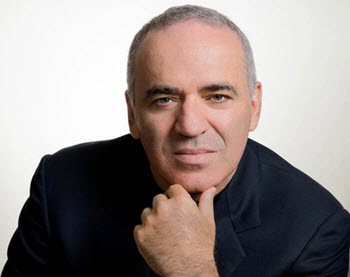
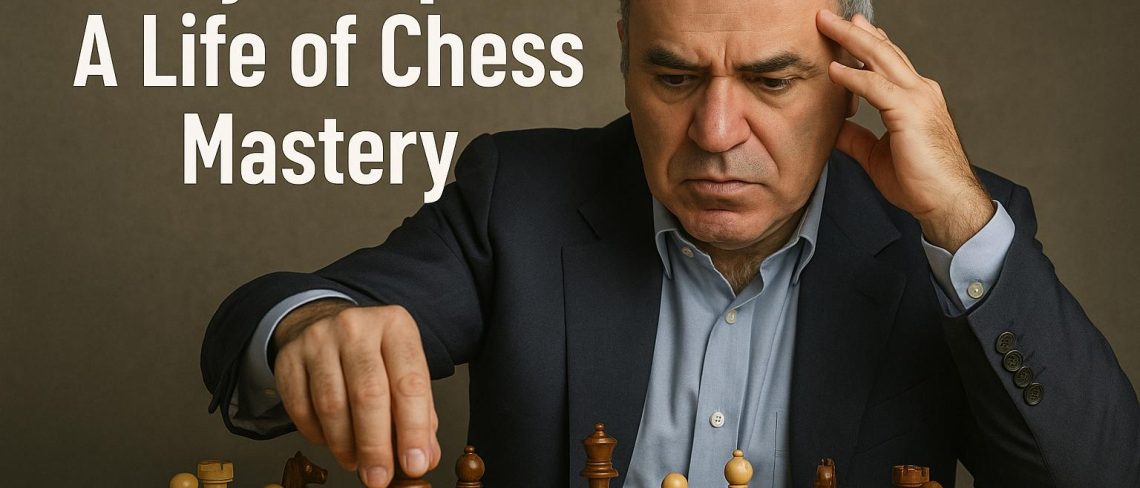
Garry Kasparov, a name synonymous with chess excellence, is often recognized as one of the greatest chess players of all time. Born on April 13, 1963, in Baku, Azerbaijan, Kasparov’s extraordinary talent in chess manifested at a very early age. The trajectory of his career is highlighted by numerous achievements, both as a competitor and as a contributor to the broader world of chess, leaving an indelible mark on the game’s history.
Early Life and Rise to Prominence
Kasparov’s affinity for chess was evident from the tender age of six. His initial exposure to the game came from watching his parents as they engaged in solving intricate chess puzzles. This early environment nurtured his interest and understanding of chess. By the age of ten, Kasparov was acknowledged as a prodigy, which earned him a place in a renowned chess school in Moscow. This school provided a fertile training ground under the tutelage of exceptional coaches who rapidly honed his talents. His early dedication produced significant results, as evidenced by his victory at the Soviet Junior Championship in 1976.
Breakthrough at the International Level
Kasparov’s emergence onto the international chess scene was highlighted by his triumph in 1980 when he won the title of World Junior Chess Champion. At the time, he was the youngest individual to ever achieve this distinction. This victory was a launchpad that catapulted him into the realm of senior world chess competitions. His burgeoning reputation reached a pivotal moment as he squared off against Anatoly Karpov for the World Chess Champion title, sparking one of the most intense rivalries in chess history, which in turn amplified public intrigue and engagement with the sport.
World Chess Champion
In 1985, Kasparov claimed the title of World Chess Champion by defeating his arch-rival, Karpov. At the time of his victory, he was just 22 years old, making him the youngest world champion in the annals of chess history up to that point. Kasparov’s dominance as a champion extended across a remarkable period of 15 consecutive years, during which he successfully defended his title. His gameplay was notable for its aggressive tactics, profound calculations, and ingenious strategies that consistently put his opponents under pressure. His reign as champion was marked by a level of brilliance and mastery that greatly influenced the evolution of modern chess.
Contributions Beyond the Board
In addition to his competitive successes, Kasparov has significantly contributed beyond the chessboard. He has authored multiple books that provide invaluable insights into his strategic mind and game philosophies. These publications have enriched chess literature and served as educational resources for aspiring players. Moreover, Kasparov ventured into politics and human rights advocacy, thereby broadening his impact and legacy beyond chess.
Kasparov Chess Foundation
Kasparov’s enduring passion for the proliferation of chess in educational settings spurred him to establish the Kasparov Chess Foundation in 2002. The foundation’s mission is centered on reinforcing the presence of chess in educational systems globally and furnishing support for young and rising talents. By supporting chess education, the foundation aims to enhance critical thinking abilities and problem-solving skills among young learners, making a lasting educational impact.
Legacy
Kasparov retired from professional chess in 2005, yet his influence on the game continues to be profound and far-reaching. His lasting legacy is evident in numerous facets of the chess world—from literature that continues to shape understanding, to the training and mentoring of subsequent player generations, and ongoing efforts to incorporate chess into educational curricula. Garry Kasparov’s life and storied career forever demonstrate the intellectual richness and the strategic allure that chess holds globally.
Kasparov’s legacy serves as an inspiration not only to chess players but also to individuals across disciplines who are inspired by his relentless pursuit of mastery and his dedication to sharing his wisdom. Through his foundation, literature, and public engagements, Kasparov continues to influence a new generation of players and enthusiasts, ensuring that chess remains a vital and dynamic intellectual pursuit. His writings, tutorials, and insights act as timeless guides for players ambitious to unlock the secrets of strategic thinking and structured decision-making—the heart of the chess experience.
By leveraging technology and new platforms, Kasparov’s work transcends geographical and cultural boundaries, bringing chess into realms that foster intercultural dialogue and understanding. This renders the game not only a competitive pursuit but also a channel for educational and intellectual growth.
In conclusion, Kasparov’s multifaceted endeavors—ranging from competitive play to educational advocacy—exemplify his commitment to the game and his belief in its transformative potential. His journey from a young prodigy in Baku to a world-renowned chess icon encapsulates a narrative of resilience, intellectual quest, and impactful contribution. Even in retirement, his presence in the chess community remains a dynamic force, driving the evolution of the game and inspiring future generations to embrace chess as a tool for cognitive and personal development.