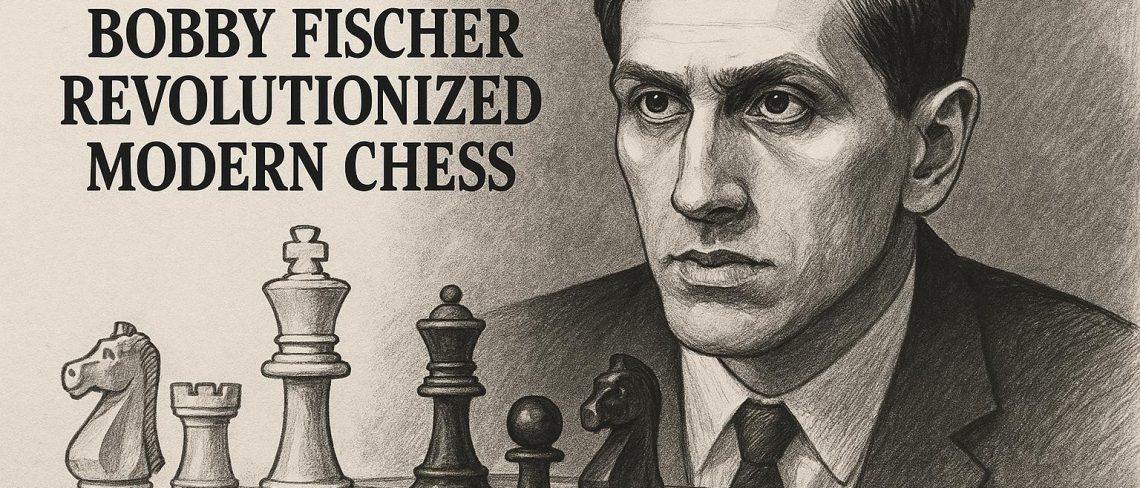
The Early Genius of Bobby Fischer
Bobby Fischer, born in 1943, remains a pivotal figure in the history of chess. His journey from a child prodigy to a world champion was not just about personal achievements but a fundamental reshaping of how chess was played and understood worldwide. Fischer’s introduction to this cerebral game began at the mere age of six. Just nine years later, at the age of 15, he became the youngest ever to achieve the title of Grandmaster at that time. This early rise to prominence laid the groundwork for his extensive influence on modern chess.
Innovative Playing Style
One of the hallmarks of Bobby Fischer’s contribution to chess was his unique and innovative playing style. Known for its aggressiveness and creativity, Fischer’s approach combined deep and meticulous opening preparation with the introduction of several novel strategies in classical chess play. Unlike the traditional focus during that period which emphasized rote memorization of existing moves, Fischer advocated for a more dynamic understanding of positions on the chessboard. His playing style was a sophisticated amalgamation of sharp tactical strikes interwoven with profound positional insight. This approach initiated a shift in how chess players approached the game, moving towards more strategic and nuanced methodologies.
Psychological Aspects and Preparation
Aside from his technical prowess, Fischer’s psychological acumen set him apart from his contemporaries. His preparation was nearly all-encompassing, transcending mere technical mastery. Fischer was known for meticulously scrutinizing his opponents’ past games to identify and exploit their weaknesses. A hallmark of his strategic preparation was that it encompassed not just the opening repertoire but equally the middle-game tactics and intricate endgame strategies. This rigorous attention to detail elevated the standard of competition, as his competitors were compelled to exhaustively enhance their own game preparations to avoid being outmaneuvered.
The 1972 World Chess Championship
Fischer’s most prominent impact on the chess world was vividly displayed during the 1972 World Chess Championship. This event was more than a mere sporting battle; it was a major Cold War confrontation. Fischer faced Boris Spassky from the Soviet Union in a series that epitomized the intense geopolitical tensions of the era. Fischer’s victory was symbolic, representing not just personal triumph but an emblematic win for Western players over Soviet dominance in chess, which had been prevalent during that time. This championship match attracted global attention, placing Fischer in the spotlight, and it remains one of the most famous chess matches in history due to its political undercurrents and the dramatic play exhibited.
Implementation of Fischer Random Chess
In his later years, Fischer sought to further innovate the world of chess through the introduction of a variant named Fischer Random Chess, also known as Chess960. This variation of the classic game involved randomizing the initial positions of the back-row pieces. The underlying objective was to dilute the competitive advantage gained from rote memorization of standard openings. By varying the starting positions, Fischer Random Chess emphasizes innate creativity and skill over pre-prepared opening theory. This inventive format was a noteworthy attempt to refresh competitive chess, shifting the game’s focus back to core competencies of strategic innovation and tactical prowess, which Fischer believed were essential for the true testing of a player’s ability.
Conclusion
Bobby Fischer’s contributions to chess have indelibly revolutionized how the game is played and understood. His approach, which emphasized thorough preparation, strategic depth, and a balanced mix of creativity and aggression, reshaped what it means to be a chess player. Fischer’s legacy persists, powerfully embodied in the innovations he introduced, such as Fischer Random Chess, which continue to influence the playing styles and strategies of modern players. For individuals seeking a deeper understanding of Bobby Fischer, his techniques, and his enduring influence on the game, exploration of dedicated chess history resources and his authored writings can offer considerable insight into his genius and impact on the world of chess.