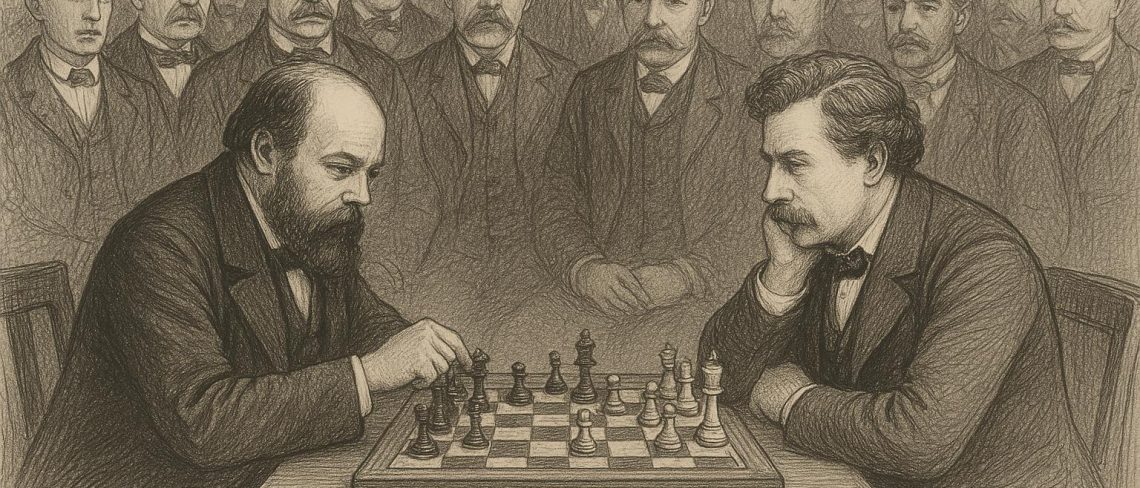
The Inception of the World Chess Championship
The inaugural World Chess Championship marked a pivotal chapter in the history of chess, infusing a sense of structure into what was primarily an informal contest among enthusiasts. This monumental event emerged as a direct consequence of a burgeoning interest in the game during the latter part of the 19th century, establishing a formal avenue for competitive play on a global scale.
The Context and Development
During the mid-1800s, chess was witnessing a remarkable surge in popularity. This period saw national tournaments springing up in various countries, each attracting players and enthusiasts eager to test their mettle. This growing enthusiasm culminated in the realization of the need for a platform where champions from different nations could compete to claim a universally recognized title. To this end, discussions among prominent chess circles began to revolve around the initiation of an official world champion title. The culmination of these discussions occurred in 1886 with the establishment of the first official World Chess Championship, paving the way for a structured competition that the intellectual sport had long awaited.
The Contenders
The 1886 championship match featured a head-to-head showdown between Wilhelm Steinitz and Johannes Zukertort, two chess titans of their time. Wilhelm Steinitz, hailing from Prague, was known for his groundbreaking ideas in chess strategy. His analytical approach and emphasis on positional play set him apart from his contemporaries. On the opposing side, Johannes Zukertort, born to Polish and German parents, was celebrated for his tactical brilliance and sharpness on the board, traits that often left his opponents in awe. Their rivalry was not just a matter of personal pride; it symbolized a broader contest between differing schools of chess thought, captivating the chess community and building anticipation for the championship match.
The Championship Match
The format and conduct of the championship match were notable for their time and continue to be a source of intrigue. Unlike modern tournaments held in a single location, the 1886 championship was a traveling event that took place across multiple cities in the United States. This was a clear indicator of the international allure that chess had begun to command. The series of games commenced in New York, moved on to St. Louis, and eventually reached its conclusion in New Orleans. This exhaustive format, which stretched over several months, demanded from the participants not only supreme chess skills but also considerable physical and mental endurance.
Wilhelm Steinitz emerged victorious, triumphing with a score of 10-5, with 5 draws. His win was built upon the foundation of strategic, positional play rather than mere tactical skirmishes, a testament to his understanding of the game’s deeper intricacies. This victory earned him the historic designation of the first World Chess Champion, an accolade that resonated beyond personal achievement and served to solidify strategic principles that would influence the future of chess.
The Legacy of the First Championship
The significance of the 1886 World Chess Championship lies not only in crowning the first champion but also in the precedent it set for subsequent matches. The event led to the establishment of a systematic structure which formalized chess as a competitive sport on a global scale. This framework provided future generations with opportunities to engage in organized competition, further enriching the game’s tradition and culture.
Steinitz’s victory and his subsequent defenses of the title were instrumental in embedding the role of a reigning World Chess Champion in the annals of chess history—a tradition that continues to thrive in contemporary chess circles. His strategic innovations and contributions to chess theory solidified his position as a seminal figure in chess history, leaving an indelible mark on the game. The influence of Steinitz’s approach is evident in the games of many who followed, shaping players and theoreticians alike.
For those keen on delving deeper into Steinitz’s impact on chess strategy and the broader historical context of the championship, further insights can be accessed through comprehensive resources available on reputable chess platforms, such as those found on chess.com. These platforms offer a wealth of information for individuals seeking to expand their understanding of the evolution of chess through the ages.