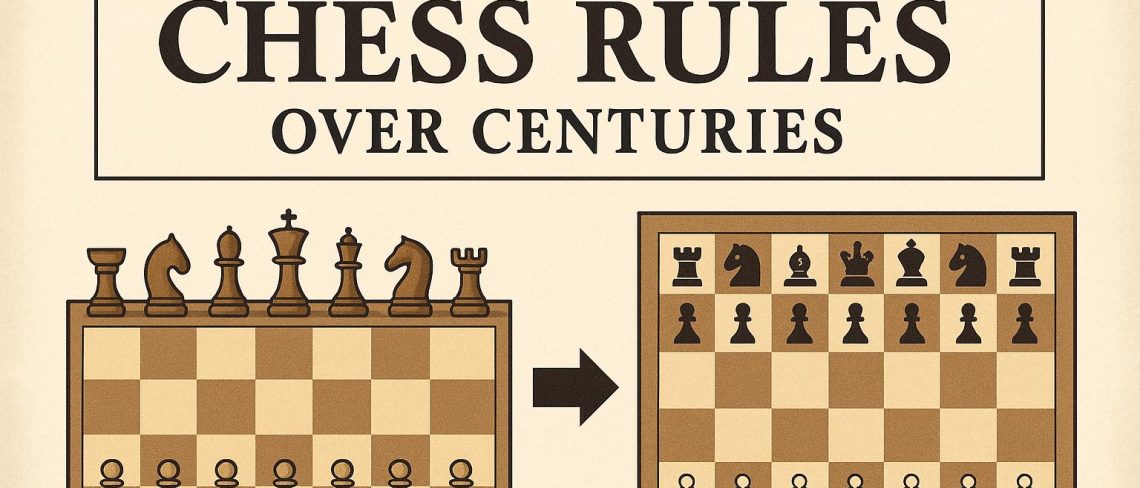
The Origins of Chess
The fascinating journey of chess, as it is known today, spans over a millennium and a half, with its roots deeply embedded in ancient traditions. This game, universally recognized as a profound symbol of intellectual prowess, originated over 1500 years ago. The beginnings of chess can be traced back to Northern India in the 6th century, where it was initially played as a game called *chaturanga*. This early form of chess was played on a square 8×8 board. The name *chaturanga* itself is derived from a Sanskrit word that refers to four divisions of the military: infantry, cavalry, elephants, and chariotry, which symbolize the different pieces in the game.
The Transformation in Persia and the Arabic Influence
As the game of chess continued to spread from its Indian roots, it underwent a significant transformation upon reaching Persia. In this new cultural milieu, the game took on the name *shatranj*. While many of the basic structural elements on the board remained unchanged, the game began to evolve under Persian and subsequently Arabic influence. The Persian version retained the 8×8 board and carried most of the original rules. However, the emphasis on strategic play grew, leading to the recording of the first revisions of chess rules by Arab scholars and enthusiasts.
These early documented changes are considered the precursors to the modern rules we follow today. The Arabic influence not only helped propagate the game across vast territories but also contributed richly to its strategic depth. It was during this period that chess began to be viewed not merely as a game, but as an art form and an intellectual pursuit, laying the groundwork for a tradition of strategic play that still dominates modern gameplay.
Medieval European Adaptations
The spread of chess into medieval Europe marked a turning point in the game’s development. By the 15th century, European players began to implement significant changes that would quicken the game’s pace and drastically alter its dynamics. Among the most critical innovations was the enhancement of the queen’s movement. Initially restricted like other pieces, the queen was endowed with the ability to traverse vertically, horizontally, and diagonally across multiple squares. This transformation elevated the queen to the most powerful piece on the board, fundamentally altering strategies employed in the game.
Similarly, the movement of the bishop was redefined during this period. The bishop, which previously had a much shorter range, gained the ability to move diagonally across the board without limit, adding a new dimension to the tactical possibilities within the game. These changes not only made chess faster but also more complex and strategically rewarding.
Standardization in the 19th Century
The 19th century heralded a significant era of standardization in the world of chess. During this time, several rules were formalized, forming the bedrock principles that define the game today. The en passant rule, a complex pawn move often misunderstood by new players, was codified, establishing a deeper layer of stratagems for experienced players.
Another critical advancement was the introduction of the castling move, a unique maneuver involving a rook and king that aids in securing the player’s king while simultaneously developing the rook. The set conditions for achieving a stalemate were clarified, refining the tactical battles that often emerge at the end of a game. These standardizations contributed to heightening the sophistication of chess, making it a more precise and competitive pursuit.
Contemporary Adjustments and Technological Impact
The 20th century brought about further refinements and a global unity in the rules of chess, driven in significant part by the establishment of international chess organizations. The World Chess Federation, or FIDE, has been instrumental in shaping the modern game. Their efforts in rule standardization have ensured uniformity across international tournaments. One of the more recent yet impactful innovations has been the introduction of the chess clock. This advancement imposes a finite time on each player’s moves, infusing the game with an element of urgency and adding a compelling psychological aspect to decision-making.
Simultaneously, advancements in technology have transformed the chess landscape. The emergence of computer programs and online platforms has revolutionized interaction with the game, offering limitless possibilities for practice, analysis, and competitive play. Technology has made chess more accessible than ever before, allowing players from diverse backgrounds to engage with and learn the game at unprecedented levels.
For those interested in a deeper dive into the official rules governing modern chess competitions, the World Chess Federation (FIDE) provides comprehensive resources and guides.
The expansive evolution of chess, from its inception in ancient India to its current status as a global intellectual pursuit, underscores a rich history of adaptation and innovation. Each developmental stage contributed to refining its rules and strategies, ensuring not only the survival of the game across centuries but also its continued appeal to cultures worldwide. As we consider the enduring legacy of chess, it’s clear that this timeless game has forged a unique path that fosters both individual and collective excellence on a world stage.