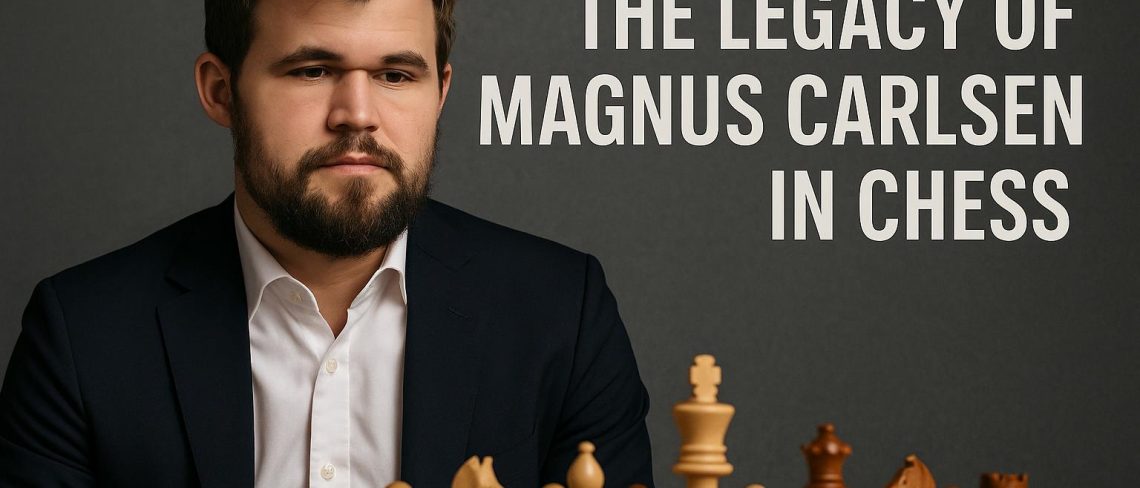
The Early Years of Magnus Carlsen
Magnus Carlsen, born on November 30, 1990, in Tønsberg, Norway, is recognized as one of the most influential figures in contemporary chess. His journey in the world of chess began at an early age, and his talent became evident as he participated in numerous regional and international junior tournaments. This section explores Carlsen’s formative years and how his early achievements set the stage for a remarkable career.
Carlsen’s interest in chess was piqued when his father introduced him to the game at the young age of 5. Unlike many children who give up after the initial enthusiasm, Carlsen’s interest in chess only grew with time. His family played a crucial role in nurturing his talent, always supporting him, whether it was by taking him to chess clubs in Oslo or helping him with access to chess literature and resources at home. His early commitment to the game and the environment that promoted his skills contributed greatly to his developmental years.
By the age of 13, Carlsen had already made his mark on the chess world by becoming a Grandmaster, one of the youngest to do so at the time. This achievement was not just a personal milestone but also marked a moment of pride for Norway, a country not historically known for its chess prowess. Carlsen’s rapid rise through the ranks was indicative of not just potential but genuine brilliance, demanding attention from the global chess community.
Rise to Prominence
The year 2009 marked a turning point in Carlsen’s career. Before this, he had been steadily climbing the ranks, but in 2009, his numerous victories in major tournaments around the world helped solidify his reputation as a top-tier competitor. The Wijk aan Zee tournament in the Netherlands was particularly significant as Carlsen displayed his ability to outmaneuver some of the finest players of that era. He not only showed strategic depth but also a psychological edge that allowed him to anticipate and counter his opposition’s strategies effectively.
One of Carlsen’s distinguishing attributes is his unique style of play—while many players rely heavily on established openings and theoretical positions, he prefers to navigate the more unpredictable aspects of the game. This unpredictable nature made him a difficult opponent to prepare for, as his games often veered away from traditional patterns and expectations. His approach forced many seasoned players to reconsider their own strategies, elevating the overall level of play within competitive circles.
World Chess Champion
Carlsen’s career reached new heights in 2013 when he became the World Chess Champion by defeating the reigning champion Viswanathan Anand. This victory was not merely the pinnacle of his achievements at the time, but also a testament to his dedication and unwavering focus. Winning the World Chess Championship established Carlsen not only as a chess phenomenon but also as a symbol of a new era in chess, one where creativity and deep strategic understanding prevail over reliance solely on memorized sequences.
Following his victory in 2013, Carlsen managed to defend his title multiple times, showcasing his consistency and resilience at the highest levels of competition. Each championship defense brought its own set of challenges, with strong contenders bringing different styles and strategies to the board, yet Carlsen’s continued dominance was a reflection of his adaptability and growth as a chess player.
Impact on Chess Theory and Strategy
Magnus Carlsen’s contribution to chess extends beyond his personal achievements. He has played a significant role in evolving modern chess theory, providing valuable insight into new strategic dimensions. One of the most notable aspects of Carlsen’s influence is his inclination to shy away from long, drawn-out theoretical battles. Instead, he seeks to create intricate positions on the board where understanding and intuition guide the flow of the game. This methodology has encouraged a paradigm shift among players and theorists alike, pushing the boundaries of conventional chess and inspiring others to broaden their approach to the game.
Carlsen’s prowess has also had a profound effect on the younger generation of chess players, pushing them to expand their focus beyond opening preparation. His success has validated the idea that deep comprehension and positional intuition are not just supplementary skills, but central components of high-level chess. As a result, Carlsen has encouraged players to emphasize creativity and strategic elegance, thus enriching the game’s diversity.
Contribution to Chess Popularity
Beyond strategic innovations, Carlsen has played a pivotal role in popularizing chess globally. With the advent of the digital age, chess has reached unprecedented levels of accessibility and appeal, and Carlsen has been at the forefront of this transformation. By participating in online platforms, livestreaming his matches, and interacting with fans through digital media, he has made the chess community more inclusive. Carlsen’s involvement in digital platforms like Chess.com has provided followers with real-time access to his games, as well as his analysis and insights, allowing even novice players to learn from a world champion.
His presence in popular culture has also been instrumental in redefining the image of chess. Carlsen has taken part in global events and collaborations that help dismantle the stereotype of chess as a niche sport, replacing it with an image of an engaging, intellectually stimulating pursuit. These efforts significantly contribute to opening the chess world to newer, broader audiences and fostering an international community united by the love of the game.
Conclusion
Magnus Carlsen’s legacy in the realm of chess is underscored by his exceptional talent, innovative strategic approach, and his significant role in revitalizing interest in the game on a global stage. Through his influence on chess theory and active engagement with fans worldwide, Carlsen continues to set new standards in chess and serve as a leading figure for both seasoned players and newcomers. The ongoing trajectory of his career captivates chess enthusiasts and the general audience alike, fostering a community committed to exploring the game’s perpetual intricacies.